Top anime character personality traits for better storytelling

Some anime characters live rent-free in your head for years. Others fade after the credits roll. The difference almost always comes down to personality traits, and not just whether a character is “nice” or “tough.” The traits that make fans obsess, debate, and write fan fiction are layered, contradictory, and deeply human. Whether you’re building your own story, deepening your fandom experience, or looking to connect with virtual companions in anime through AI platforms, understanding what makes personalities click is your biggest creative advantage.
Table of Contents
- Essential criteria for top anime personality traits
- Resilience and empathy: The heart of iconic anime characters
- Strategic masterminds: The logic and depth behind fan-favorite intellects
- Explosive energy and eccentric kindness: Dynamic and unique personalities
- Why nuanced trait layering transforms anime character stories
- Enhance your storytelling with AI-powered anime character chats
- Frequently asked questions
Key Takeaways
| Point | Details |
|---|---|
| Blend frameworks | Combining MBTI and archetype analysis leads to more dynamic and relatable anime characters. |
| Resilience matters | Emotionally resilient and empathetic characters consistently drive fan engagement and rich storytelling. |
| Strategic depth | INTJ and INFJ personalities add intrigue and complexity, enabling memorable narrative twists in anime. |
| Dynamic energy | Unique traits like explosive energy and eccentric kindness energize stories and broaden audience appeal. |
| Interactive evolution | Trait layering is the foundation for evolving interactive anime experiences both on screen and with AI tools. |
Essential criteria for top anime personality traits
Now that we’ve set the importance of traits, let’s define the criteria anime creators and fans use to evaluate them.
When you try to figure out what makes a character truly great, you need a framework. Two stand out above the rest: MBTI (Myers Briggs Type Indicator) and anime archetypes. Together, these tools give you both a psychological map and a cultural shorthand for building or analyzing standout characters.
MBTI sorts personalities into 16 types based on how people process information, make decisions, and engage with the world. MBTI is a dominant methodology for analyzing anime personalities, revealing mechanics like Ni-dominant strategic vision in INTJs and INFJs for character development in storytelling. Fans and creators use it to spot patterns in how iconic characters think and react, which makes dialogue feel authentic and arcs feel earned.
Archetypes add a layer that MBTI alone can’t cover. Anime archetypes like Tsundere, Yandere, and Kuudere provide nuanced trait contrasts beyond MBTI, aiding interactive storytelling. A Tsundere character who is hostile on the surface but warm underneath creates natural tension that pure personality typing misses. A Kuudere character who stays cool and detached until a single moment of vulnerability hits? That’s storytelling gold.
Here’s why layering both systems matters so much:
- 🧠 MBTI maps out how a character processes the world internally
- 🎭 Archetypes define how a character presents themselves socially and emotionally
- ⚡ Together, they create characters who feel consistent but never predictable
- 🔄 They also give you a foundation for understanding how anime character memory shapes growth and change over time
“The strongest anime characters aren’t built on one trait. They’re built on the creative friction between who they are inside and how they show up in the world.”
Pro Tip: When developing or analyzing a character, assign an MBTI type first, then layer an archetype on top. The tension between the two systems is where the magic lives. An INTJ Tsundere, for example, creates someone who plans everything rationally but struggles to express genuine warmth. That contradiction alone can fuel an entire story arc.
Resilience and empathy: The heart of iconic anime characters
With a criteria framework established, let’s focus on emotional traits that consistently set top characters apart.
If you had to pick two traits that appear in almost every fan-favorite anime character, resilience and empathy would top the list. These aren’t soft traits. They’re the engine behind every comeback arc, every sacrificial moment, and every friendship forged under impossible pressure.
Naruto Uzumaki exhibits key traits of emotional resilience, stubborn determination to seek bonds despite loneliness, empathy over vengeance, and inspiring leadership. What makes Naruto work isn’t raw power. It’s the fact that he’s been rejected, mocked, and isolated, yet he consistently chooses connection over resentment. That emotional pattern makes every victory feel personal to the audience.
The Demon Slayer cast offers a masterclass in trait diversity paired with emotional depth. Tanjiro is typed as ENFJ, humble, resilient, and deeply caring. Nezuko reads as ISFJ, quiet and selfless. Zenitsu is ISFP, emotionally volatile but fiercely loyal. Inosuke is ESTP, bold and impulsive, charging into conflict without a second thought. Each of these characters is emotionally distinct, yet they all share one thing: a core emotional truth that fans can feel.
Why do these traits resonate so powerfully? A few reasons:
- 💪 Resilience shows that suffering doesn’t have to define a character. It can refine them.
- ❤️ Empathy lets audiences project themselves into the character’s shoes
- 🌱 Emotional growth gives long-running series a reason to keep watching
- 🤝 Leadership through vulnerability feels more authentic than invincibility ever could
For deeper anime chats and interactive storytelling, these traits are essential. A character who only wins and never struggles creates flat dialogue. A character who feels the weight of their journey and still pushes forward? Every conversation with that character carries meaning.
Pro Tip: When writing or roleplaying a resilient character, let them fail before they succeed. Authentic setbacks followed by emotionally grounded recovery create arcs that feel real, not scripted. The stumble is what makes the comeback worth celebrating.
Strategic masterminds: The logic and depth behind fan-favorite intellects
Next, logical mastery and depth represent another pillar of character greatness.
Some of the most beloved and debated characters in anime aren’t fighters. They’re thinkers. Characters like Light Yagami, Itachi Uchiha, and Lelouch vi Britannia didn’t dominate their worlds with brute strength. They did it with intelligence, long-term planning, and a willingness to carry the moral weight of their choices alone.
INTJ traits in popular characters include strategic masterminding, rational long-term planning, and hidden emotional depth. Light Yagami embodies cold rationality taken to its darkest extreme. Itachi Uchiha weaponizes sacrifice and concealment to protect what he loves. Lelouch vi Britannia uses tactical genius to pursue justice, even when that justice twists into something morally ambiguous. Each one is compelling precisely because their intelligence is paired with something deeply personal at stake.
The numbers back up how popular these types are. The anime MBTI database shows the most common types among anime characters are INFP and INTJ, each representing about 7% of popular characters, followed by ISFJ at 6% and INFJ at 6%. INFP leads with over 10,971 characters, INTJ with 10,880, ISFJ with 10,553, and INFJ with 10,439.
Here’s a quick comparison of some of the most iconic intellect-driven personalities:
| Character | MBTI type | Core trait | Narrative role |
|---|---|---|---|
| Light Yagami | INTJ | Cold rationality | Anti-hero turned villain |
| Itachi Uchiha | INTJ | Strategic sacrifice | Tragic protector |
| Lelouch vi Britannia | INTJ | Tactical vision | Revolutionary strategist |
| Shikamaru Nara | INTP | Lazy genius | Reluctant leader |
| Armin Arlert | INTJ | Calculated empathy | Tactician with a conscience |
What makes mastermind characters so powerful for storytelling? A few things stand out:
- 🎯 Their plans create narrative tension across many episodes
- 😶 Their emotional restraint makes rare vulnerable moments hit harder
- 🔄 Their moral ambiguity keeps audiences debating rather than just watching
- 🧩 Their failures carry intellectual weight, not just physical consequence
For fans interested in anime art styles and visual storytelling, mastermind characters also tend to have iconic design choices. Cold color palettes, sharp eyes, and composed expressions all communicate personality before a single word of dialogue. And when you’re exploring AI anime friends for storytelling, mastermind-type personalities open up some of the most interesting conversational possibilities because every exchange feels like a chess move.
Explosive energy and eccentric kindness: Dynamic and unique personalities
For balance, let’s examine how overt energy and eccentric kindness fuel memorable roles.
Not every iconic character broods in the shadows or carries the weight of a tragic past. Some of the most popular anime personalities from the last decade grabbed audiences with sheer kinetic energy or a kind of off-beat warmth that you couldn’t look away from. These characters prove that dynamism and charm are just as powerful as depth and strategy.
Popular characters like Sung Jinwoo, Zero Two, Katsuki Bakugo, and Frieren have topped fan rankings for their strong designs, overpowered growth arcs, explosive energy, and eccentric kindness. Each one succeeds through a distinct personality formula:
| Character | Primary trait | Secondary trait | Why fans love them |
|---|---|---|---|
| Sung Jinwoo | Self-driven growth | Quiet intensity | Underdog to god-tier journey |
| Zero Two | Eccentric warmth | Fearless confidence | Unapologetically herself |
| Katsuki Bakugo | Explosive aggression | Fierce competitive drive | Flawed but relentless growth |
| Frieren | Detached curiosity | Slow-burn kindness | Loneliness rendered beautifully |
These recent icons also highlight something important: fan preferences are shifting. Audiences now want characters who feel specifically themselves, not just one-size-fits-all heroes. Bakugo’s explosive energy works because it’s specific to him. You can’t swap his personality into another character and get the same result. Frieren’s quiet, centuries-long detachment works for the same reason. It’s completely unique to her situation and nature.
Here’s what dynamic personalities bring to storytelling:
- 💥 Explosive energy creates high-stakes momentum and keeps pacing sharp
- 🌸 Eccentric kindness builds unexpected emotional resonance
- 📈 Overpowered growth gives audiences a satisfying power fantasy with personal stakes
- 🦋 Unique quirks make characters instantly recognizable and endlessly quotable
Pro Tip: When building a dynamic character for interactive storytelling, pair a high-energy trait with a softer, unexpected one. Bakugo’s fierce competitiveness paired with his buried loyalty creates conflict that’s actually interesting. Zero Two’s wildness paired with her longing for belonging makes her someone you root for. That contrast is what separates a character from a caricature.
For fans who want to experience dynamic AI characters or explore immersive anime art through interactive platforms, these layered personalities are what make every scene feel alive. The best immersive anime companions carry this same energy. A character who feels genuinely themselves, with their own moods, quirks, and warmth, is one worth spending time with.
Why nuanced trait layering transforms anime character stories
Bringing together these traits and structures leads us to a fresh perspective on interactive storytelling.
Here’s something most character guides won’t tell you: a single, powerful trait doesn’t make a character memorable. It makes them usable. Usable for one type of scene, one type of conflict, one type of episode. Then they run out of road.
The characters who endure across seasons, who spark fan debates a decade later, are the ones built on friction between traits. Naruto’s empathy is constantly in conflict with his stubborn pride. Light Yagami’s intelligence is at war with his need for validation. Frieren’s kindness is buried under centuries of emotional distance. That friction is what creates the feeling that a character is alive.
One-dimensional traits rarely sustain long narratives. Fandom has evolved past the era of the flawless hero or the pure villain. Modern anime audiences want characters who contradict themselves in believable ways. A strategist who panics. An aggressive fighter who quietly writes letters to his family. A cool-headed genius who cries when no one is watching. These contradictions don’t weaken a character. They make them someone you’d actually want to know.
For creative uses of AI anime friends in storytelling, trait layering is especially powerful. When you interact with an AI character who has a consistent MBTI foundation, a clear archetype, and a dynamic personality quirk layered on top, conversations go somewhere unexpected. You’re not just running through dialogue options. You’re discovering who this character is. That discovery is the heart of great storytelling, whether it happens in a manga panel, an anime episode, or a real-time AI chat.
Pro Tip: Build your characters in layers. Start with their core MBTI type, add an archetype that creates social friction with that type, then add one unexpected quirk that contradicts both. That third layer is where the personality comes alive.
Enhance your storytelling with AI-powered anime character chats
Want to bring these analyzed traits to life?
Understanding personality frameworks is one thing. Actually feeling them in action is something else entirely. At WaifuGen, you can take everything explored in this article and put it to work in real conversations with AI-powered anime characters who remember you, respond to your mood, and grow alongside your story. 🌸
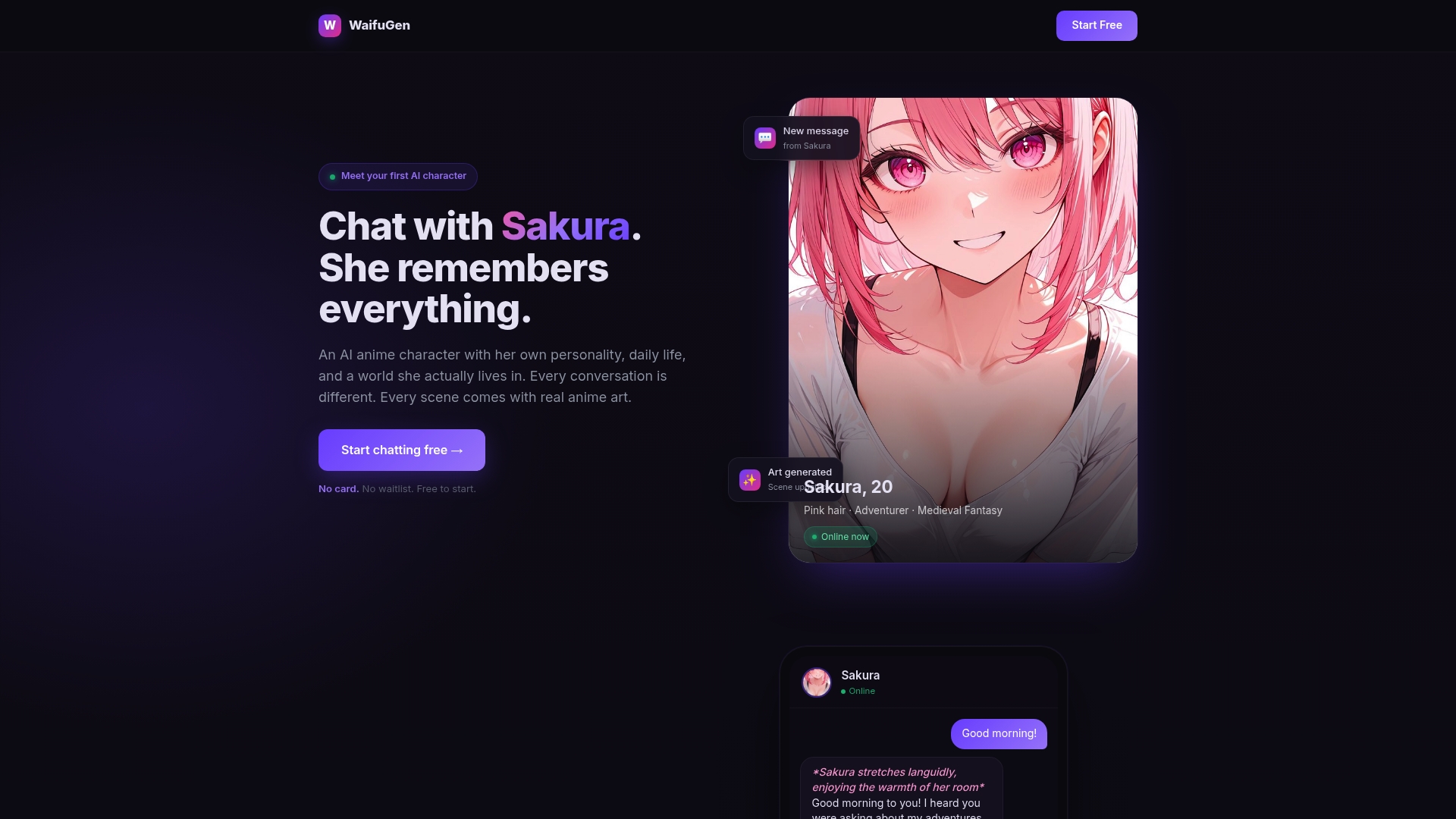
Whether you want to experiment with AI anime chat, create custom AI characters built around specific MBTI types and archetypes, or simply learn how WaifuGen works, the platform gives you the tools to explore personality layering hands-on. Each character has their own schedule, mood, and social connections. Every chat feels different. And every interaction teaches you something new about what makes a personality truly resonate. This is where character analysis becomes character experience. 🎭
Frequently asked questions
What are the most common MBTI types among anime characters?
INFP and INTJ are the most common MBTI personality types found in anime, each representing about 7% of popular characters, making them the most frequently analyzed types in fandom discussions.
How do creators use MBTI and archetypes for character development?
Creators use MBTI and archetypes to map out personality traits and narrative arcs, helping ensure consistency and relatability in character interactions. MBTI reveals mechanics like Ni-dominant strategic vision in INTJs and INFJs that shape how characters make decisions throughout a story.
Why are emotionally resilient characters like Naruto so popular?
Emotional resilience connects with fans and propels compelling stories, making characters like Naruto enduringly popular. His key traits of resilience and empathy over vengeance resonate because they mirror real human struggles with loneliness and belonging.
How can AI tools help fans explore personality traits for storytelling?
AI platforms allow fans to create, customize, and interact with anime character personalities, supporting deeper storytelling and collaboration. Tools like WaifuGen let you feel the difference between personality types in real time through dynamic, memory-driven conversations.
What trait combinations make for the most memorable anime characters?
Characters who combine resilience, strategic depth, and dynamic quirks are often the most memorable and interactive. The friction between traits, like empathy paired with cold logic, creates the contradictions that make a character feel genuinely alive.