Picking the right anime art style feels a lot like standing in front of a massive menu with no idea what you’re hungry for. Every style carries its own energy, emotional weight, and audience expectations. Get it wrong and your character feels off, no matter how technically polished the artwork is. Get it right and your designs click instantly with viewers. Whether you’re sketching your first original character or planning a full visual story, knowing the landscape of anime art styles is one of the best tools you can have. This guide walks you through the major styles, how they compare, and how to find the right fit for your creative goals.
Table of Contents
- How anime art styles are categorized and why it matters
- Classic and demographic-driven styles: Shonen, Shojo, Seinen, Josei, Kodomo
- Cute, exaggerated, and animal-inspired: Kawaii, Moe, Chibi, Kemonomimi
- Experimental, fusion, and studio-specific anime art styles
- Side-by-side comparison: Which anime art style matches your creative goal?
- Why blending art styles can unlock fresh creativity
- Bring your favorite anime art styles to life with WaifuGen
- Frequently asked questions
Key Takeaways
| Point | Details |
|---|---|
| Styles reflect audience | Every major anime art style is tailored for a specific age group and mood, shaping emotional impact. |
| Cuteness is strategic | Cute styles like kawaii and chibi are engineered to enhance emotional resonance and memorability. |
| Hybrid styles stand out | Blending elements from different art styles often produces the most unique and compelling anime projects. |
| Studios push boundaries | Studio-specific styles and experimental techniques continually redefine what is possible in anime visuals. |
How anime art styles are categorized and why it matters
With the need for clarity established, let’s break down how anime art styles are traditionally grouped.
Anime art doesn’t exist in a vacuum. Each style grew out of a specific publishing tradition aimed at a defined audience. Understanding these roots helps you make intentional choices rather than random ones. Anime art styles often tie to demographics such as shonen, shojo, seinen, josei, and kodomo, influencing proportions, colors, and themes for targeted emotional impact in character design.
Think of each category as a set of visual signals. When you use a shojo style, you’re not just drawing big eyes. You’re telling the audience to expect emotional depth, intimate relationships, and nuanced character arcs. When you go shonen, bold action lines and punchy color contrasts promise high energy and rivalry.
“Style is a silent contract with your audience. It tells them what kind of story they’re entering before a single line of dialog is read.”
Here’s why this matters for your work as an artist:
- 🎨 Audience targeting: Matching your style to a demographic instantly communicates who the story is for
- 💬 Emotional priming: Style shapes how viewers feel before any plot unfolds
- 🖊️ Design consistency: Staying within a style’s visual language keeps characters cohesive
- 📖 Narrative immersion: Understanding anime storytelling techniques helps you align art choices with story tone
Knowing these categories is the foundation. Now let’s get specific.
Classic and demographic-driven styles: Shonen, Shojo, Seinen, Josei, Kodomo
Now let’s dive into the familiar, widely recognized art styles that define entire anime genres.
These five styles form the backbone of anime visual culture. Each one grew from a different readership, and each carries its own set of visual rules.
Shonen is probably the most globally recognized. Bold lines, dynamic poses, and saturated colors define this style. Think explosive action, wide confident stances, and color palettes that scream energy. JoJo’s Bizarre Adventure made shonen poses so iconic they became a worldwide meme and a genuine influence on fashion photography.
Shojo takes the opposite approach. Delicate curves, larger eyes, and emotional subtlety define its visual language. Pastel palettes, flowing hair, and softer linework make shojo designs feel intimate and inward-looking. It’s a style built for emotional storytelling.
Seinen steps into adult territory. Dark tones and realistic themes replace the heightened drama of shonen. Characters look proportionally closer to real people. Backgrounds gain complexity. This style suits morally grey narratives and psychological depth.
Josei mirrors seinen but focuses on adult women’s experiences. The linework is still soft, but the stories and visuals carry more grounded, realistic emotional weight than shojo.
Kodomo strips everything back. Bright primary colors, simple round shapes, and expressive reactions dominate. This style prioritizes clarity and instant emotional readability for very young audiences.
Quick comparison at a glance:
- ⚡ Shonen: bold, saturated, action-forward
- 🌸 Shojo: delicate, pastel, emotion-rich
- 🌑 Seinen: realistic, complex, dark-toned
- 💐 Josei: grounded, mature, relationship-focused
- 🌈 Kodomo: simple, vivid, immediately expressive
Understanding anime scene evolution within these styles helps artists push each one further without losing the audience connection.
Cute, exaggerated, and animal-inspired: Kawaii, Moe, Chibi, Kemonomimi
While the classic styles set expectations, the realm of cute and exaggerated art has left a huge mark. Let’s explore these next.
These styles exist in a space where exaggeration is the whole point. They prioritize emotional expressiveness over realism, and they’ve become massively popular in both commercial art and fan communities.
Kawaii is the widest umbrella here. Kawaii style features cute, childlike designs, soft features, and vibrant or pastel colors, often overlapping with moe or chibi. The core goal is to trigger warmth and affection in the viewer.
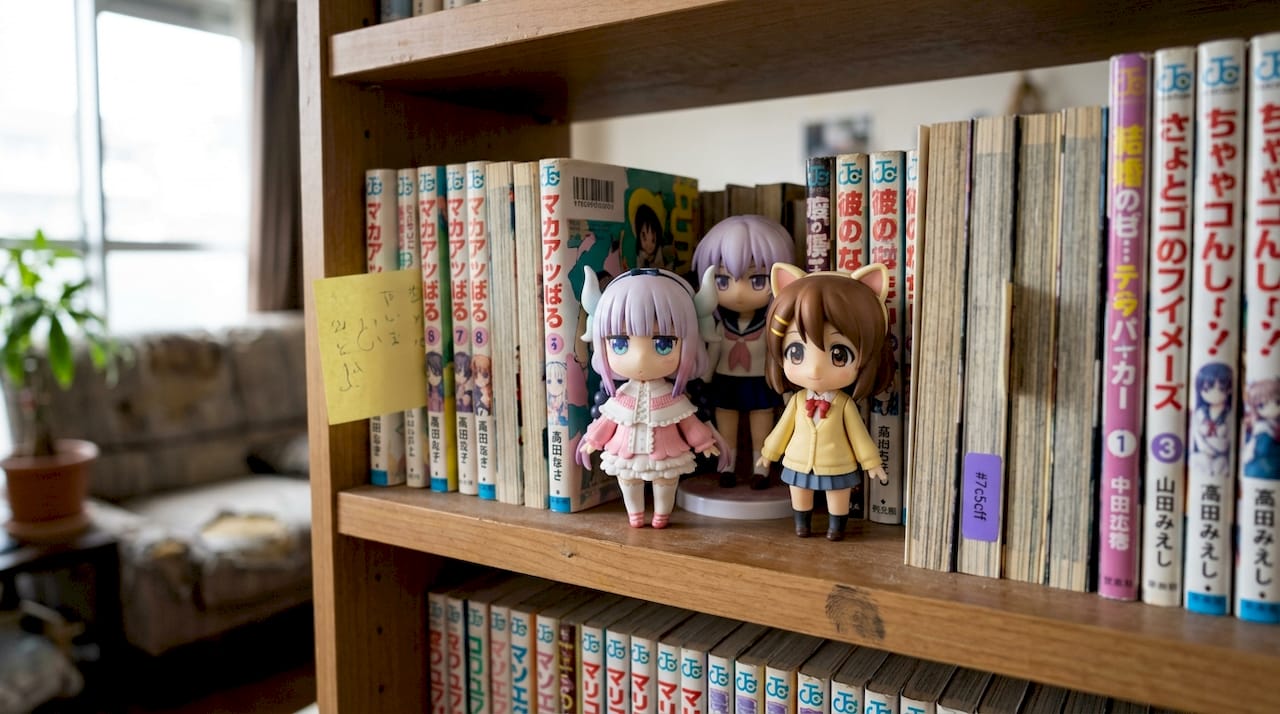
Moe goes a step further in emotional design. Moé style emphasizes affectionate cuteness with large expressive eyes, vulnerability, and a sense of approachability. Characters feel like they need protecting, which builds viewer attachment fast.
Chibi takes proportions to the extreme. Tiny bodies, oversized heads, and huge eyes turn any character into an adorable cartoon version of themselves. It’s pure exaggeration in the service of humor or charm.
Kemonomimi adds an animal-inspired twist. Kemonomimi centers on animal-like traits such as ears and tails layered onto otherwise human characters. Cat ears, wolf tails, and bunny features are common, creating a playful, expressive quality that fans adore. If you’ve explored AI anime friends in interactive platforms, you’ve probably met a kemonomimi character already.
Visual hallmarks of each:
- 🐱 Kemonomimi: animal ears/tails, human form, expressive hybrid design
- 🧁 Kawaii: round features, pastel or bright colors, soft shading
- 💕 Moe: large watery eyes, gentle expressions, delicate linework
- 🐾 Chibi: oversized head, tiny limbs, bold simple lines
Pro Tip: Drop your main character into chibi form during tense scenes for instant comedic relief. It breaks tension without breaking the story, and it’s a trick used in countless popular series. Understanding character memory in anime helps you decide when shifting visual registers actually serves the narrative.
Experimental, fusion, and studio-specific anime art styles
Beyond the standard forms, anime is also famous for pushing its own boundaries. Here’s how fusion and experimental styles come into play.
Some of the most memorable anime visuals exist precisely because they break the established rules. These are the styles that make jaws drop or spark heated forum debates.
CGI and 3D animation is one of the most divisive areas. CGI/3D style uses computer-generated graphics for movement, common in idol anime or action sequences, though often criticized if the integration with hand-drawn art is poorly executed. When it works, the results are stunning. When it doesn’t, characters move like puppets.
Studio-specific styles have created some of anime’s most iconic looks. Studio Trigger uses saturated neon colors, while JoJo’s Bizarre Adventure leans into exaggerated bold lines and poses pulled from fashion illustration. These are styles built on breaking genre conventions while staying instantly recognizable. Exploring anime style innovation shows how these boundaries keep shifting.
Here’s a data table comparing experimental and fusion styles:
| Style | Visual complexity | Audience reception | Best for |
|---|---|---|---|
| CGI/3D | High | Mixed | Action sequences, idol shows |
| Watercolor | Medium | Very positive | Atmospheric, emotional scenes |
| Western fusion | Medium | Growing | Cross-cultural storytelling |
| Studio Trigger | Very high | Cult favorite | High-energy, stylized action |
| JoJo-inspired | High | Iconic | Character-forward drama |
Pro Tip: Try layering a watercolor texture over clean linework in digital art. You get the legibility of anime line art with the warmth of a painted look. Hybrid techniques like this are how new trends start.
Side-by-side comparison: Which anime art style matches your creative goal?
With so many styles available, a side-by-side comparison makes it easier to pin down the best fit for your project.
Choosing your style isn’t just about what looks good. It’s about what serves your story and connects with your intended audience. No universal benchmarks exist, but empirical success seen in iconic examples like JoJo poses, Kyoto Animation moe, or Ufotable’s detailed action shows what happens when style and story align perfectly.
Use this comparison table as your quick-reference guide:
| Style | Target audience | Notable traits | Best fit |
|---|---|---|---|
| Shonen | Teen boys | Bold lines, action poses | Action, adventure stories |
| Shojo | Teen girls | Soft curves, large eyes | Romance, emotional drama |
| Seinen | Adult men | Realism, dark themes | Psychological, mature fiction |
| Josei | Adult women | Grounded emotion | Adult romance, slice of life |
| Kodomo | Young children | Simple shapes, vivid color | Educational, light adventure |
| Kawaii | General/fan | Soft, cute, rounded | Commercial art, fan projects |
| Moe | Fan communities | Large eyes, vulnerability | Character attachment stories |
| Chibi | All ages | Oversized head, tiny body | Comedy, reaction art |
| Kemonomimi | Fan communities | Animal traits, human form | Fantasy, playful narratives |
| CGI/3D | Broad | Dynamic movement | Action, music-driven anime |
| Watercolor | Broad | Soft texture, painterly | Atmospheric storytelling |
| Western fusion | Broad | Mixed visual language | Cross-genre experiments |
| Studio-specific | Niche/cult | Unique signature look | Passion projects, standout work |
For dynamic AI companions, these style distinctions translate directly into how characters are visualized, what emotions they project, and how deeply users connect with them.
Brief tips for matching style to goals:
- Want maximum emotional impact? Go shojo or moe
- Building an action-heavy world? Shonen or studio-specific styles win
- Creating something adult and nuanced? Seinen or josei will serve you better
- Need humor and lightness? Chibi and kawaii are your go-to tools
Why blending art styles can unlock fresh creativity
After considering all the options and comparisons, let’s rethink whether your project should really stick to just one style.
Here’s an opinion that might surprise you: the most memorable anime art rarely fits cleanly into one box. The idea that you must pick a single style and stay loyal to it is honestly one of the more limiting myths in character design. Studios that broke their own rules created the works people still talk about years later.
Think about how evolving anime scenes can shift tone within a single episode, using soft shojo-style flashbacks inside a gritty seinen story. That tonal contrast is a tool, not an accident. Or consider how a shonen action series drops into chibi moments to humanize fierce rivals. These aren’t style mistakes. They’re intentional narrative choices that land harder because they break expectations.
The artists who develop recognizable signature styles are almost always blending. They take the bold lines of shonen, add the expressiveness of moe eyes, and wrap it in a watercolor texture. The result feels fresh because it doesn’t map to any single template. Improving anime characters often comes down to exactly this kind of layered, intentional mixing.
So here’s the practical takeaway: study each style deeply, understand its rules, and then give yourself full permission to combine them. The goal isn’t purity. The goal is connection with your audience, and the most interesting characters usually live somewhere between categories.
Bring your favorite anime art styles to life with WaifuGen
Ready to put your newfound style knowledge to the test? WaifuGen is where anime art style knowledge meets real interactive experience.
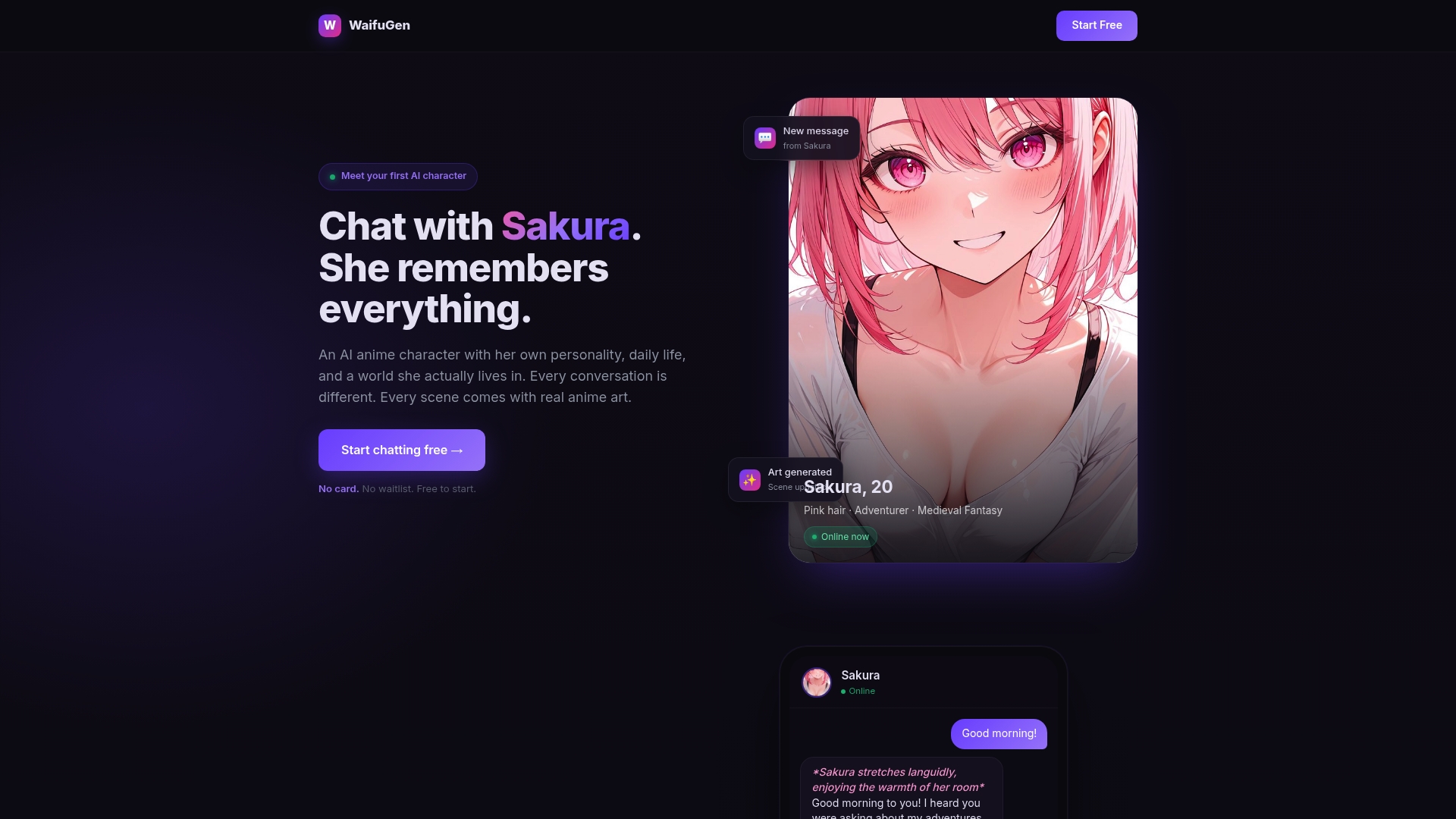
WaifuGen lets you create custom AI anime characters that reflect the styles you love most. Whether you’re drawn to the soft warmth of moe, the bold energy of shonen, or something totally experimental, you can see those visual ideas come to life in real conversations with characters who remember your preferences and respond with genuine personality. You can even talk to your own anime companion who evolves through dynamic visuals, shifting moods, and immersive scene generation that matches the style and emotion of the moment. It’s the perfect playground for artists and fans alike. ✨
Frequently asked questions
What is the difference between shonen and shojo art styles?
Shonen features bold lines and intense saturated colors suited for action, while shojo focuses on delicate curves, pastel palettes, and expressive linework designed for emotional storytelling.
Why do so many anime characters look ‘cute’?
Cuteness-driven styles like kawaii, moe, chibi, and kemonomimi use neoteny and exaggeration, specifically large eyes and soft features, to evoke immediate affection and emotional connection in viewers.
Can you mix anime art styles in one project?
Absolutely. Hybrid styles are common in anime, blending Western influences, studio-specific signatures, or experimental elements to create unique storytelling and character experiences that stand out from the crowd.
What is the most popular anime art style in 2026?
Character-driven styles like shonen, shojo, and moe remain dominant globally, but studio-specific and hybrid looks are trending hard as creators experiment and audiences reward originality over formula.
How do studio-specific styles differ from broad categories?
Studios like Trigger or Kyoto Animation take broad category foundations and layer on unique color choices, signature line weights, and branding that makes their work instantly recognizable even without a title card.