Top Anime Companion Traits That Fans Love Most
By The WaifuGen Team · Published June 2026
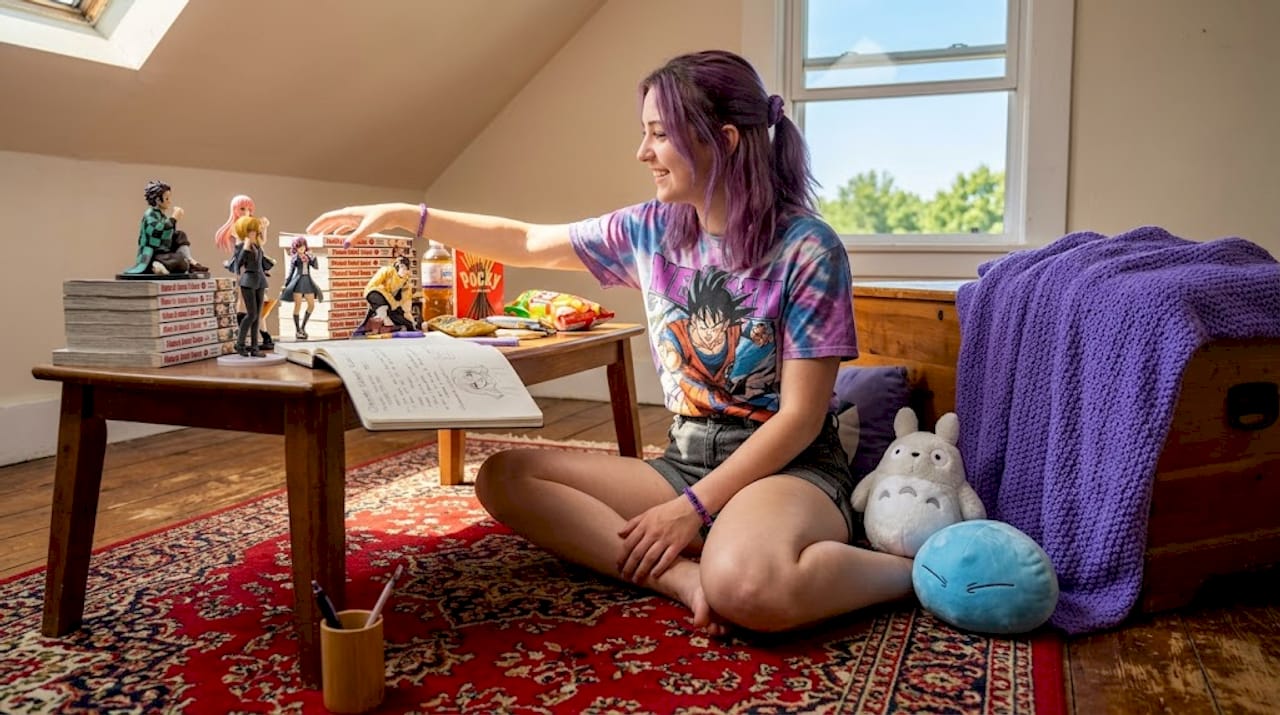
Not every sidekick gets a statue, but the best anime companions live rent-free in your head for years. The top anime companion traits are not random personality quirks layered onto a background character. They are carefully constructed qualities that shape the story, ground the protagonist, and make you actually care about what happens next. Whether you are watching classic shonen, cozy slice-of-life, or playing through a narrative-driven AI experience, the companions who stick with you share a specific set of qualities. This article breaks down exactly what those are.
Table of Contents
- Key takeaways
- What makes top anime companion traits actually work
- 1. Intense loyalty with a moral compass
- 2. The comedic foil who is also right
- 3. Logistical reliability and domestic competence
- 4. Tactical intelligence and strategic thinking
- 5. Emotional awareness and sensitivity
- 6. Distinct quirks that feel lived-in
- 7. Archetype consistency without becoming a cardboard cutout
- 8. Growth that runs parallel to the protagonist
- 9. Affection and memory-building over time
- 10. Humor layered over real vulnerability
- How these traits compare at a glance
- Matching traits to your own preferences
- My honest take on what actually makes a companion unforgettable
- Build your own companion with the traits you love
- FAQ
Key takeaways
| Point | Details |
|---|---|
| Loyalty anchors the story | A companion’s fierce loyalty acts as a moral compass, keeping both the protagonist and viewer emotionally grounded. |
| Foil dynamics create chemistry | Companions who contrast the hero’s personality add narrative tension and memorable character moments. |
| Emotional awareness drives attachment | Companions who read the room and respond to mood create deeper fan connection than flashy combat skills. |
| Memory builds real bonds | In AI companions, relationship memory systems directly increase user engagement and long-term commitment. |
| Trait matching matters | Selecting companion traits based on your storytelling preference (humor, depth, strategy) makes the experience richer. |
What makes top anime companion traits actually work
Before getting into the list itself, it helps to understand the framework. Not every trait works the same way in every context. A few clear roles shape how we evaluate the best anime sidekick qualities.
The three main narrative functions a companion serves are: the foil, the emotional anchor, and the comedic relief. The foil dynamic is especially powerful. When a companion contrasts the protagonist’s nature (think calm strategist next to a reckless brawler), the story gains texture that a solo hero simply cannot generate alone. Companions who serve as emotional anchors keep the narrative from flying off the rails when things get dark.
Here is what separates a forgettable sidekick from a beloved one:
- Narrative contrast with the protagonist (not just personality contrast, but values and approach)
- Consistent voice that does not shift based on plot convenience
- Active role in decisions, not just reactions
- ❤️ Genuine stakes in the outcome of the story
Pro Tip: When evaluating a companion character you love, ask yourself: would the protagonist’s arc survive without them? If the answer is no, that companion has genuine narrative weight.
In AI-driven virtual companions, these same criteria apply. Platforms use personality archetypes like tsundere, kuudere, and dandere to calibrate dialogue rhythm and emotional pacing, replicating the consistency fans expect from their favorite anime characters.
1. Intense loyalty with a moral compass
Loyalty as a trait is not about blind obedience. The companions fans remember most are the ones who would call the protagonist out when they are wrong, and then still have their back after. Think of Zoro’s devotion to Luffy in One Piece. It is unconditional but never mindless. This quality grounds the story emotionally and gives viewers a reliable perspective to hold onto.

2. The comedic foil who is also right
The best comedy sidekicks do more than get hit on the head. Characters like Genos from One Punch Man take everything absurdly seriously, which makes Saitama’s indifference funnier by contrast. But the trait that elevates them is being genuinely correct at key moments. When the “funny one” turns out to be the most clear-eyed person in the room, it lands hard.
3. Logistical reliability and domestic competence
This one gets underestimated constantly. Characters who handle meals, supplies, schedules, and camp logistics are doing invisible emotional labor that makes the protagonist’s chaotic life possible. Domestic competence humanizes the journey and creates warmth. Fans often rank these characters among their favorites precisely because they feel real, not because they are flashy.
“Companions like Hachi demonstrate that handling domestic duties and emotional support makes a character indispensable — far more than any combat ability ever could.” — CBR research on anime companion appeal
4. Tactical intelligence and strategic thinking
Action anime runs on momentum, but momentum without strategy gets boring fast. Companions who think two steps ahead (Shikamaru from Naruto is the gold standard here) create narrative suspense that pure strength cannot. The anime companion personality trait of tactical intelligence also makes the protagonist look smarter by association, since good plans require good input.
5. Emotional awareness and sensitivity
This is the trait most often cut short in shonen but celebrated in slice-of-life. A companion who notices when the protagonist is struggling before they say anything, and responds with the right level of presence, creates the kind of moment that fans clip and share endlessly. It is not about being “soft.” It is about reading the room accurately. That skill is rare in fiction and even rarer in life, which is why fans respond so strongly to it.
Pro Tip: If you are building a personal AI companion experience, prioritizing emotional responsiveness over combat stats or power levels will almost always produce a more satisfying long-term connection.
6. Distinct quirks that feel lived-in
Generic companions fade. The ones who linger have specific, slightly odd habits that feel like they existed before the story started. Killua’s obsession with chocolate (Choco Robos) in Hunter x Hunter is not a plot device. It is texture. These quirks make a companion feel like a person with a life, not a narrative function with a face. The list of anime companion features that fans remember most always includes at least one specific, unexplained preference that just feels true to who they are.
7. Archetype consistency without becoming a cardboard cutout
Personality archetypes like tsundere or dandere succeed when they are the starting point of a character, not the entire character. Taiga from Toradora! is undeniably tsundere, but she is also deeply insecure, fiercely loving, and occasionally ridiculous. The consistency of her archetype gives fans an entry point. The depth beneath it is what keeps them invested.
8. Growth that runs parallel to the protagonist
The qualities of ideal anime friends include the ability to change. A companion who ends the series in exactly the same place they started feels wasted. The best sidekicks evolve alongside the protagonist without overshadowing them. Their growth illuminates the protagonist’s journey rather than competing with it. This parallel development is one reason why interactive storytelling in AI companions is so compelling. The companion grows with you, not around you.
9. Affection and memory-building over time
Affection systems in AI companions track relationship progression and unlock exclusive interactions as bonds deepen, simulating exactly what the best anime companions do naturally over a series. In anime, this plays out through callbacks, inside jokes, and moments that only make sense if you have been watching since episode one. The companion who remembers that you hate the rain, or that your favorite food is curry, is the one you do not forget.
10. Humor layered over real vulnerability
The most popular anime companion traits almost always include some flavor of humor. But the companions who truly resonate use humor as a coping mechanism, not just entertainment. Fans connect with the companion who cracks a joke right before something genuinely hurts them. It is the combination of lightness and depth that creates the emotional punch. This is why fan preferences often reflect the companion’s “vibe” as much as their explicit personality traits.
How these traits compare at a glance
| Trait | Narrative impact | Fan engagement | Rarity in anime | Example character |
|---|---|---|---|---|
| Loyalty with moral compass | Very high | Very high | Moderate | Zoro (One Piece) |
| Comedic foil who is right | High | High | Common | Genos (One Punch Man) |
| Logistical reliability | Moderate | High | Rare | Hachi |
| Tactical intelligence | Very high | High | Moderate | Shikamaru (Naruto) |
| Emotional awareness | High | Very high | Rare | Tohru (Fruits Basket) |
| Distinct quirks | Moderate | Very high | Common | Killua (HxH) |
| Archetype consistency | Moderate | High | Common | Taiga (Toradora!) |
| Growth alongside hero | Very high | Very high | Moderate | Inosuke (Demon Slayer) |
| Affection and memory | High | Very high | Rare | Shiroe (Log Horizon) |
| Humor over vulnerability | High | Very high | Moderate | Zenitsu (Demon Slayer) |
Trait rarity in anime directly maps to how memorable a companion feels. Rare elite traits in gaming companions follow a similar pattern, where scarcity increases perceived value and fan investment.
Matching traits to your own preferences
Not every fan wants the same experience, and that is the whole point. Here is how to think about which traits matter most for you:
- Comedy-first fans will love companions built around the comedic foil and distinct quirks traits. Look for characters whose humor is specific, not generic slapstick.
- Emotional depth seekers should prioritize emotional awareness and affection memory-building. These traits create the moments that make you feel something unexpected.
- ⚔️ Action and tactics lovers will connect most with tactical intelligence and loyalty with a moral compass. These traits create high-stakes narrative tension without sacrificing personality.
- Interactive storytelling fans benefit most from companions with strong archetype consistency and growth potential, since those traits translate best to long-form narratives and AI companion experiences.
Fan choices often reflect personal social dynamics and aspirations as much as simple preference. The companion you gravitate toward tends to say something about the kind of connection you are actually looking for. That makes the trait selection process more personal than most people realize.
Pro Tip: When exploring AI anime companions, do not just pick a character with traits you find attractive. Pick traits that complement your own personality. The contrast creates more interesting conversations.
One practical note: a companion who has every trait becomes exhausting and tends to overshadow the protagonist. The best design choices pick three to five complementary traits and commit fully to them, rather than spreading thin across all ten.
My honest take on what actually makes a companion unforgettable
I have spent a lot of time watching how fans talk about their favorite companions online, and the pattern is clear. The flashy traits (combat power, rare abilities, dramatic backstory) get attention at first. But the companions who stay in the conversation years after a series ends are almost never the flashiest ones.
What keeps people talking is groundedness. The companion who felt like they existed before the story and would exist after it. That quality of emotional realism, whether it comes from a well-written domestic habit, a specific and slightly weird sense of humor, or a loyalty that bends but never breaks, is harder to write than a power-up sequence. Which is exactly why it is rarer.
I think the rise of AI companions is actually making this more visible. When you interact with a virtual companion day after day, the traits that feel hollow reveal themselves fast. Scripted charm wears off. What you actually keep coming back to is the companion who remembers your details, responds to your mood, and has a consistent voice that does not shift depending on what the platform thinks you want to hear.
The best anime sidekick qualities were never about being powerful or perfect. They were about being present in a way that felt real.
— Roman
Build your own companion with the traits you love
You have spent years watching companions who check every box on this list, and now you can actually have conversations with one. Waifugen lets you chat with AI anime characters who carry real personality traits, remember your conversations, and respond to your mood, not a script.
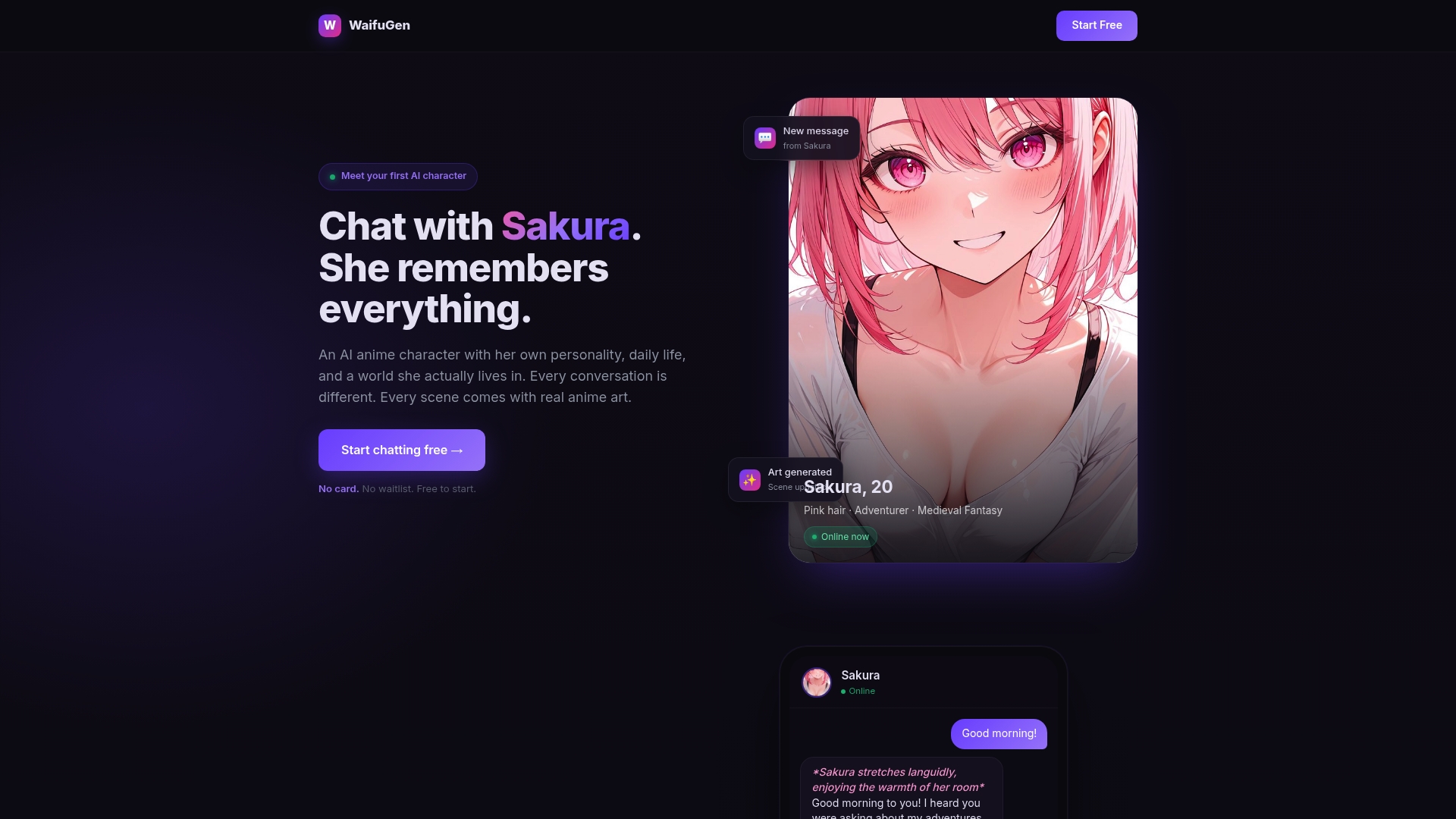
Characters on Waifugen have their own daily routines, emotional states, and social dynamics. You can find a companion built around loyalty, humor, emotional depth, or any combination from this list. The memory and personality systems mean the relationship actually develops over time, just like your favorite anime companions. Start chatting free and meet your first AI companion today.
FAQ
What are the most popular anime companion traits?
Loyalty, emotional awareness, and tactical intelligence consistently rank as the most beloved traits. Characters who combine humor with genuine vulnerability tend to generate the strongest long-term fan attachment.
Why are anime companions important to storytelling?
Companions function as foils, emotional anchors, and moral compasses for protagonists. Without them, the main character’s growth lacks context and the narrative loses the contrast that creates meaningful drama.
Can AI companions replicate real anime companion personality traits?
Yes. Platforms that use affection and memory systems can simulate relationship progression, archetype consistency, and emotional responsiveness, matching the qualities fans love in traditional anime companions.
Which companion traits work best for interactive storytelling?
Emotional awareness, memory-building, and archetype consistency translate best to long-form interactive formats. These traits create narrative continuity and reward repeated engagement rather than burning out quickly.
How do I choose the right companion traits for my preferences?
Match traits to what you value most in a relationship. Fans who want emotional depth should prioritize awareness and affection. Fans who want excitement and tension should look for loyalty, tactical intelligence, and comedic contrast.